Summary:
You’re done with the wood. Done hauling it, stacking it, tending the fire, and cleaning out ash every time you want a cozy night at home. Gas makes sense — and honestly, it probably is the right move. But before you start browsing inserts or calling for installation quotes, there’s a step that most homeowners don’t know about until they’re already mid-project. Your chimney has to be ready first. Not just swept out, but properly inspected, assessed, and in some cases relined or repaired. This guide explains exactly what that looks like, why it matters, and what to watch out for.
Why Your Chimney Has to Come First in a Wood-to-Gas Conversion
Here’s the thing most gas insert companies won’t lead with: the appliance is only half the job. The chimney is the other half — and it has to be evaluated before anything gets installed.
A wood-burning fireplace and a gas appliance vent differently, draw air differently, and create different byproducts. A flue that worked fine for wood may be the wrong size for gas, may have cracks that were harmless before but become carbon monoxide pathways after, or may have years of creosote buildup that has no business sitting next to a gas flame. These aren’t hypothetical edge cases. They’re common findings in homes across the Twin Cities, especially in older neighborhoods where chimneys have been doing their job — quietly, without maintenance — for decades.
What a Level 2 Chimney Inspection Actually Looks At
A Level 2 chimney inspection is what’s required any time you change the appliance connected to a flue. That means switching from wood to gas triggers one automatically — not because someone is trying to add to your bill, but because the National Fire Protection Association’s standards require it, and most gas insert manufacturers require it as a condition of the warranty.
What makes a Level 2 different from a basic sweep and visual check is the camera. A certified technician runs video equipment through the flue to look at the liner, the smoke chamber, the firebox walls, and the overall structure from the inside. This is the only way to see what’s actually going on in there. Cracks in clay tile liners, deteriorated mortar joints, and blockages don’t show up from the outside — or even from looking down into the top of the chimney.
In the Twin Cities, where a significant portion of the housing stock dates to the 1920s through the 1960s, this matters a lot. Those original clay tile liners are now 60 to 100 years old. They were designed for wood-burning, not gas. They’ve been through thousands of freeze-thaw cycles — Minnesota winters regularly swing from -20°F to above freezing within the same week — and that kind of stress leaves its mark on masonry. A liner that looks passable might have hairline fractures that become serious problems the moment a gas appliance starts pushing combustion gases through it.
The inspection isn’t the obstacle. It’s the thing that tells you exactly what you’re working with before you commit to anything.
Does My Chimney Need to Be Cleaned Before a Gas Insert Goes In?
Yes — and this is one of the most commonly skipped steps when homeowners go straight to an insert installer without involving a chimney professional first.
Creosote is a natural byproduct of burning wood. Over time it builds up on the interior walls of the flue in layers, ranging from a light, dusty residue to a thick, tar-like coating depending on how the fireplace was used and how long it’s gone without cleaning. When a gas appliance is installed over an uncleaned flue, that creosote doesn’t just sit there harmlessly. It can interfere with proper venting, create fire risk, and degrade faster when exposed to the different heat profile of a gas flame.
A thorough chimney sweep before installation isn’t a formality — it’s a baseline requirement. The NFPA reports that failure to clean is the leading contributing factor in home heating fires, accounting for about 25% of them. That statistic is about wood-burning fireplaces, but the principle carries forward: you don’t want a dirty flue involved in any kind of fuel-burning system.
For homes throughout Hennepin County, Ramsey County, Dakota County, Scott County, and Washington County where the fireplace has been used regularly over the years, a cleaning is almost always going to be part of the pre-conversion process. For homes where the fireplace has sat unused for a long time — which is more common than you’d think, especially when people buy older homes in the Twin Cities area — an inspection often reveals both creosote and other issues that need to be addressed before moving forward.
The chimney sweep isn’t an upsell. It’s the step that makes everything after it safe.
Chimney Liner Requirements for Gas Fireplace Inserts in Minnesota
This is the part that surprises most people. Even if your chimney inspects clean and your flue is structurally sound, you may still need a new liner before a gas insert can go in.
Gas appliances typically require a smaller flue diameter than wood-burning fireplaces. When the flue is oversized for the appliance, combustion gases cool too quickly as they travel up the chimney, which causes condensation to form inside the liner. Over time, that condensation — which contains acidic compounds from the gas combustion — eats through clay tile liners from the inside. The result is a damaged liner, potential carbon monoxide leakage, and a repair bill that dwarfs what the liner installation would have cost upfront.
When Does a Gas Conversion Require a New Stainless Steel Liner?
The short answer: more often than not, especially in the Twin Cities.
Most gas inserts that use the existing chimney flue require a stainless steel liner to be installed as part of the conversion. The liner is sized specifically for the new appliance, ensuring proper draft, correct venting, and no condensation issues. It runs from the insert collar at the firebox all the way up through the chimney to the cap at the top.
In newer homes — say, a 1990s build in the outer suburbs or a 2000s development in Scott County — the existing liner may be in good enough condition to work with. But in the older neighborhoods of South Minneapolis, Saint Paul’s historic districts, or the post-war suburbs throughout the Twin Cities metro, original clay tile liners have typically been through enough freeze-thaw cycles and years of use that replacement is the safer and more cost-effective path. Patching a deteriorated liner isn’t a long-term fix, and most certified professionals won’t recommend it as the foundation for a new gas system.
A stainless steel liner also gives you a clean slate — one that’s properly sized, properly sealed, and rated for the specific appliance going in. It’s not an optional upgrade. For most conversions, it’s the standard.
What About Masonry Repairs Before Converting to Gas?
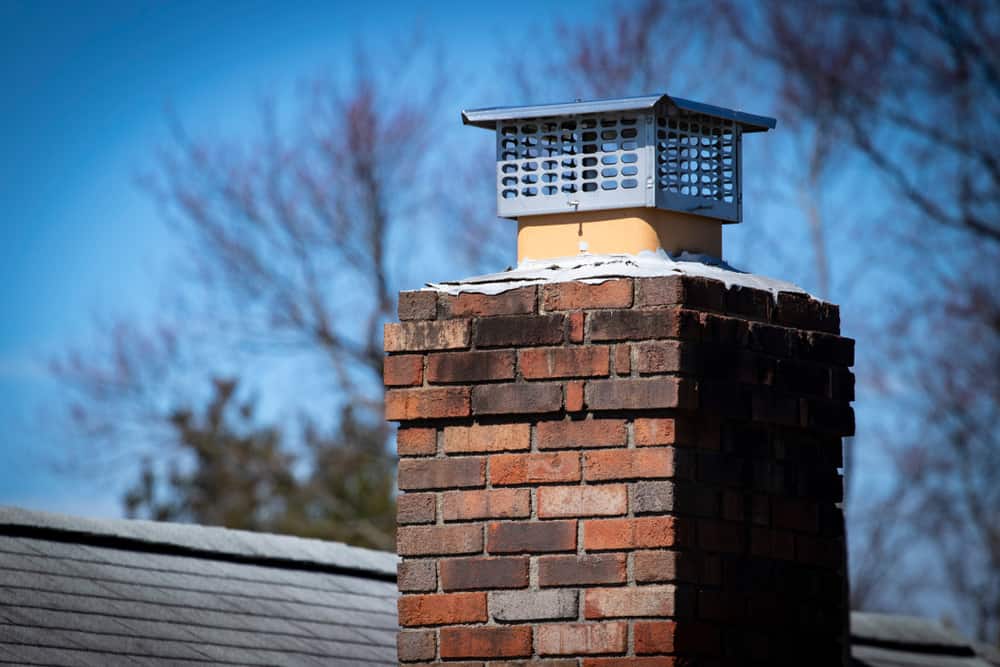
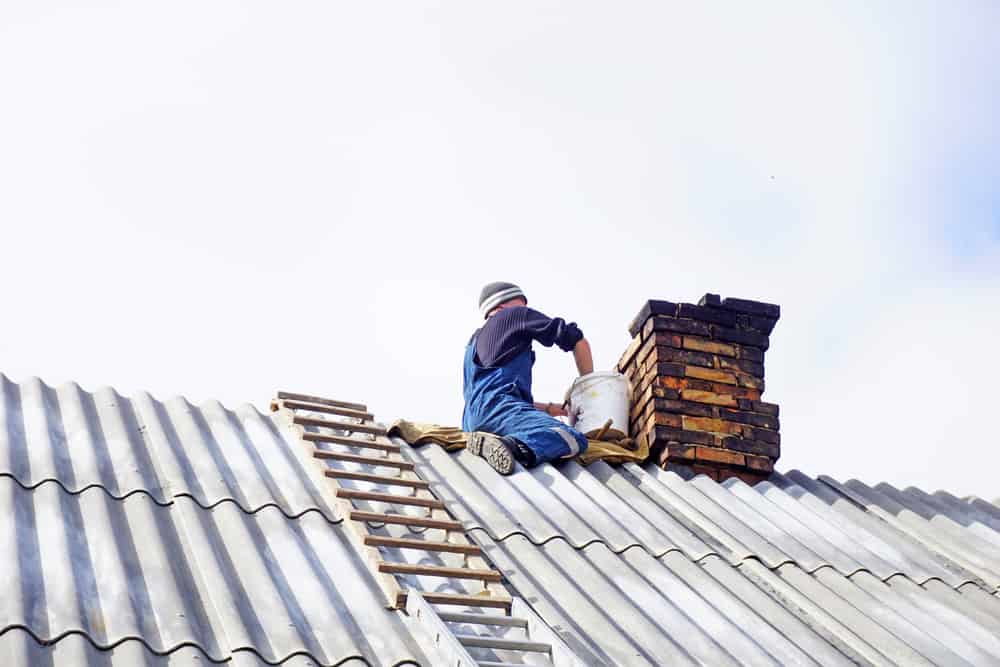
The liner and the flue get most of the attention, but the masonry itself matters too. Cracked chimney crowns, spalled brick, deteriorated mortar joints, and damaged smoke chambers all need to be addressed before a gas appliance is installed — not after.
Here’s why the order matters: once an insert is in place, access to the firebox and smoke chamber is limited. Repairs that are straightforward before installation become complicated and expensive after. A good pre-conversion assessment looks at the full picture — the crown, the cap, the masonry, the damper, and the structural condition of the chimney from top to bottom — so nothing gets sealed in behind an insert that’s going to cause problems down the road.
Minnesota’s climate makes this especially relevant. The freeze-thaw cycle that damages liner tile also attacks mortar joints, chimney crowns, and brick faces. A chimney that’s been sitting through Twin Cities winters for 40 or 50 years without waterproofing or crown maintenance is almost certainly showing some wear. Tuckpointing deteriorated joints, replacing a cracked crown, and repairing any spalled brick before the conversion protects the investment you’re about to make in the new appliance.
This is also where working with a company that handles both the chimney prep and the gas insert installation makes a real difference. When one team is responsible for the whole project — inspection, cleaning, liner, masonry repair, and installation — nothing falls through the cracks between contractors. You get one point of contact, one timeline, and one person accountable for the outcome.
Ready to Convert Your Wood-Burning Fireplace to Gas in the Twin Cities?
The conversion process isn’t complicated — but it does have a right order. Inspection first, then cleaning, then liner and masonry work if needed, then installation. Skipping steps doesn’t save time or money. It creates problems that show up later, when they’re harder and more expensive to fix.
If you’re in the Twin Cities metro — whether that’s Hennepin County, Ramsey County, Dakota County, Scott County, or Washington County — and you’re seriously considering making the switch from wood to gas, the best first move is a chimney assessment. Not a quote for an insert. An honest look at what your chimney actually needs before anything goes in.
We at Suburban Chimney Solutions handle the full process, from the initial inspection through liner installation, masonry repair, and gas insert installation. Reach out directly to schedule a free estimate — and get a straight answer about what your chimney needs before anything else.