Summary:
Stop Water Damage Before It Costs You Thousands
Water doesn’t just damage your chimney—it destroys it. And in Minnesota, where we get 40 to 60 freeze-thaw cycles each winter, that destruction happens fast.
Every time water gets into your chimney and freezes, it expands with incredible force. Mortar joints crack. Brick faces break off. Metal components rust through. What starts as a small leak becomes structural failure, often costing more to fix than the chimney is worth.
One Saint Paul family learned this the hard way. A small crack in their chimney crown let water seep in for years. By the time they noticed problems, they faced over $10,000 in repairs for water damage, mold remediation, and interior wall replacement. A $500 chimney cap could have prevented all of it.
Why Minnesota Weather Makes Chimney Caps Essential
Minnesota’s climate is uniquely brutal on masonry. Our rapid temperature swings—from below zero to above freezing and back again—create expansion and contraction stress that tears chimneys apart from the inside.
When water freezes in your mortar joints, it doesn’t just sit there. It expands with 2,000 pounds of pressure per square inch, forcing cracks wider with each freeze-thaw cycle. These cracks let in more water, which freezes and expands even more. It’s a destructive cycle that accelerates every winter.
The damage compounds quickly. First, you’ll see white chalky residue on your chimney’s exterior—that’s efflorescence, a sign that water is already moving through your masonry. Next comes spalling, where brick faces actually break off in chunks. Eventually, the entire chimney structure becomes compromised.
We see this pattern repeatedly in the Twin Cities. Homeowners who skip chimney cap installation often face complete chimney rebuilds within a few years. The freeze-thaw damage in Minnesota is so severe that even high-quality masonry can’t withstand direct water intrusion for long.
A properly installed chimney cap breaks this destructive cycle by keeping water out in the first place. The cap’s design deflects rain and snow away from your chimney opening while allowing smoke and gases to escape safely. It’s simple physics that saves you thousands in repairs.
Professional Installation vs. DIY Disasters
You might think installing a chimney cap is straightforward—just put a cover on top, right? Wrong. Professional installation involves precise measurements, proper materials, and techniques that ensure your cap actually protects your chimney.
DIY installations often fail because homeowners don’t understand the engineering requirements. The cap must be sized correctly to prevent wind uplift while providing adequate coverage. It needs proper drainage to direct water away from the chimney structure. The mounting system must handle thermal expansion without creating stress points.
We also understand local building codes and manufacturer requirements. We use caps made from materials that can handle Minnesota’s temperature extremes—typically stainless steel or copper that won’t corrode or fail after a few seasons.
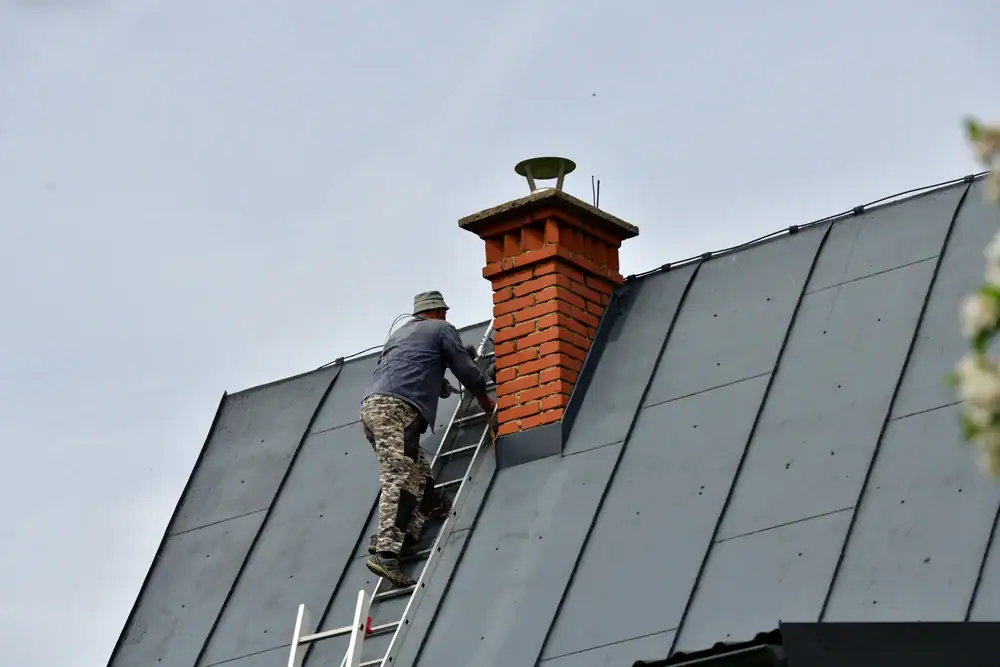
The installation process itself requires specialized tools and safety equipment. Working on roofs in Minnesota weather conditions is dangerous, and improper installation can create liability issues if the cap fails and causes damage. We carry insurance and warranties that protect you if something goes wrong.
Most importantly, professional installation includes proper sealing and flashing integration. The cap must work with your existing chimney crown and flashing system to create a watertight seal. Amateur installations often miss these critical details, leaving gaps where water can still enter and cause damage.
Keep Animals Out and Airflow Flowing
Animals see your uncapped chimney as prime real estate—a safe, elevated shelter that’s perfect for nesting. Unfortunately, what’s good for wildlife is terrible for your chimney system and potentially dangerous for your family.
Raccoons, birds, squirrels, and bats regularly set up housekeeping in Twin Cities chimneys. Their nests block airflow, trap dangerous gases, and create serious fire hazards. Removing established animal colonies is expensive, messy, and sometimes legally complicated since some species are protected.
A professional chimney cap with properly sized mesh screening prevents these problems entirely. The mesh keeps animals out while maintaining the ventilation your fireplace needs to operate safely and efficiently.
Real Problems from Real Animals
Different animals create different problems, but all pose serious risks. Raccoons are particularly troublesome because they’re excellent climbers and often choose chimneys for raising their young. Their birthing season runs from March through August, meaning you could have a family of raccoons living in your flue for months.
Birds build nests that can completely block your chimney. Chimney swifts are especially problematic—they build nests from twigs, leaves, and saliva that create highly flammable obstructions. These nests are nearly impossible to remove safely, and many bird species are protected by federal law, making DIY removal illegal.
Squirrels and bats often get trapped in chimneys and die, creating terrible odors and health hazards. Even their droppings pose risks, potentially carrying diseases that affect your family’s health. Decomposing animals also attract insects and other pests, compounding your problems.
The financial impact adds up quickly. Animal removal services in the Twin Cities typically charge $300 to $800 per incident, not including cleanup and sanitization. If animals damage your chimney liner or create fire hazards, repairs can easily exceed $3,000.
Professional mesh screening prevents all these problems for a fraction of the cost. The mesh is engineered to exclude animals while allowing proper airflow—typically three-quarter inch openings that stop even small animals but don’t restrict your fireplace’s performance.
Improved Draft Efficiency Saves Money Year-Round
A properly designed chimney cap doesn’t just keep things out—it actually improves your fireplace’s performance by enhancing draft efficiency. This means better fires, less smoke, and lower energy costs throughout the heating season.
Wind patterns around your roof can create downdrafts that push smoke back into your home. This is especially common in the Twin Cities, where strong winds and temperature inversions can make fireplaces nearly unusable during certain weather conditions. A quality chimney cap with wind-directional features helps maintain consistent upward draft regardless of wind direction.
Better draft efficiency also means your fireplace burns fuel more completely, producing more heat with less wood. You’ll notice fires start easier, burn hotter, and produce less smoke and creosote buildup. This improved combustion efficiency can reduce your heating costs while making your fireplace more enjoyable to use.
The energy savings extend beyond just fireplace operation. An uncapped chimney acts like an open window, allowing heated air to escape your home even when the fireplace isn’t in use. A properly sealed chimney cap prevents this air loss, reducing your overall heating costs throughout the winter.
Professional installation ensures your cap enhances rather than restricts airflow. Improperly designed or installed caps can actually reduce draft efficiency, creating the opposite effect you want. We understand the aerodynamics involved and select caps that optimize performance for your specific chimney configuration.
Protect Your Investment with Professional Service
Your chimney represents a significant investment in your home’s value and your family’s safety. Professional chimney cap installation protects that investment while preventing the costly problems that plague many Twin Cities homeowners.
The numbers speak for themselves: a professional installation typically costs a few hundred dollars, while the problems it prevents can cost tens of thousands. Water damage, animal removal, draft problems, and efficiency issues all add up to expenses that far exceed the cost of proper protection.
Professional installation also comes with warranties and ongoing support. If problems develop, you have recourse and expertise to resolve them quickly. When you’re ready to protect your chimney investment with quality installation that’s built to last, we provide the expertise and reliability Twin Cities homeowners trust.