
Old brick, repaired right
Four in ten St. Paul homes went up before 1940, and their chimneys show it. We repair the mortar, crowns and flashing that let water in, and rebuild what repair can’t save.
Tuckpointing · Crowns · Leaks · Relining · Rebuilds
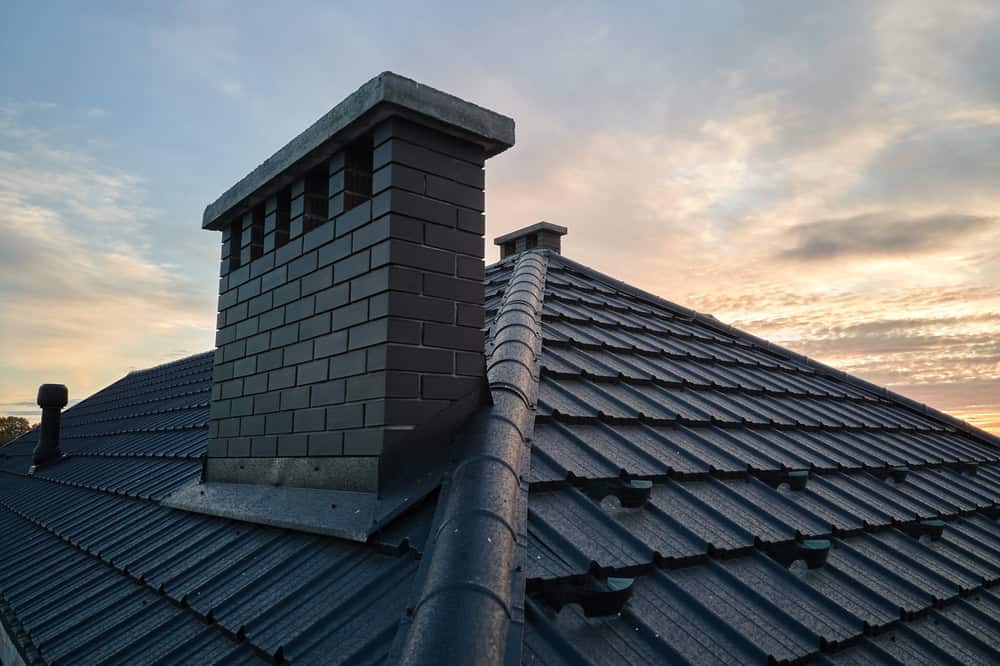
Most St. Paul chimney repair happens above the roofline, where brick and mortar take the weather head on. Water works into worn mortar joints and a cracked crown, freezes, and pushes the masonry apart a little more every winter. The fix is usually some mix of repointing the joints, replacing spalled brick, recasting the crown and resealing the flashing. Older chimneys often need attention inside too: clay flue tiles crack with age, and a stainless steel liner is the usual replacement.
Reviews
From Google reviews across our service area
“It looks original to our 1926 home.”
Jenneane, Google review, October 2024
“The bricks match perfectly.”
Melissa, Google review, November 2024
“The chimney rebuild we needed in order to have roof work done went smoothly.”
Greg, Google review, August 2024
The repairs older St. Paul chimneys need most
Each links to the full service page. For brick and stone work on its own, see masonry chimney repair in St. Paul. Need chimney cleaning instead? See chimney sweep and inspection.
Mortar is meant to wear out before the brick does, and on a chimney approaching 100 years old it usually has. Tuckpointing replaces eroded joints with fresh mortar matched to the original, and spalled bricks are cut out and replaced. On old brick, the new mortar should be softer than the brick around it, so any future movement cracks a joint instead of a brick.
The crown is the concrete slab across the top of the brick, and a cracked one sends water straight into the masonry below. Fine cracks can be sealed. A crown that is crumbling or cracked through calls for a chimney crown replacement: the old crown comes off and a new one is formed with a 2-inch overhang that drips water clear of the brick.
A stain on the ceiling by the fireplace rarely starts where you see it. The usual sources are the flashing where the chimney meets the roof, a cracked crown, a missing chimney cap, or brick soaking up rain. Our page on chimney water leak repair in St. Paul walks through how to tell which one you have.
Clay flue tiles crack with age and heat, and a cracked flue can let heat and combustion gases reach the framing and living space. We replace failed clay liners with stainless steel liner systems. More on chimney liner replacement.
When the top of the stack leans, bricks come loose or spalling covers whole faces, repair stops making sense. A partial rebuild takes the chimney down to sound brick, often at the roofline, and lays it back up with matched brick and a new crown. Here are the signs an older chimney needs rebuilding, and how chimney rebuilding works.
If a chimney no longer vents a fireplace or furnace, taking it down can cost less than rebuilding it, and it is often done just before a new roof goes on. See chimney removal.
Know the city's rules before the scaffolding goes up
St. Paul’s homes are old by any measure: 41.6% were built in 1939 or earlier, and the median home dates to 1952 (U.S. Census Bureau, American Community Survey 2020 to 2024). That age brings a few rules worth knowing before any chimney work starts.
St. Paul’s Department of Safety and Inspections lists chimney repair and tuckpointing among the jobs covered by its contractor express permit, which only licensed contractors can use. Homeowners doing their own work file a general building permit application instead. Minnesota exempts ordinary repairs from permits, but the building official decides where that line falls, so ask before starting even a small job.
If your home is in a designated heritage preservation district, such as Historic Hill or Summit Avenue West, any exterior project needs Heritage Preservation approval first, and express permits are not allowed. Staff review simple projects, typically within 5 business days of a complete application, while complex ones go to the Heritage Preservation Commission. Build that time into the schedule, especially in the fall.
Before a St. Paul home goes on the market, a Truth-in-Sale of Housing evaluator rates the chimney from the ground: loose or missing brick and mortar, damaged flashing, whether it stands at least 3 feet above the roof, and whether gas appliances vent through a proper liner. The report is disclosure only, so the seller does not have to fix the chimney, but buyers see what it says. A chimney inspection in St. Paul before you list shows you what the evaluator will see while you still have time to decide.

Most single chimney repairs run about $200 to $4,000. A new cap sits at the low end, a crown replacement ($1,000 to $3,000) or a rebuild from the roofline up ($1,000 to $3,500) in the middle, and a leaning chimney ($2,000 to $4,000) near the top. A full chimney replacement runs $4,000 to $15,000. These are national 2026 figures from HomeGuide; chimney size, roof pitch and how much old brick has to be matched decide where a St. Paul job lands. Our guide to what chimney repair costs in Ramsey County breaks it down repair by repair.
Usually, yes. The city lists chimney repair and tuckpointing as permitted work, and licensed contractors can file both as an express permit. In a heritage preservation district you also need Heritage Preservation approval before work starts. Minnesota exempts ordinary repairs, so a very small fix may not need one; the Department of Safety and Inspections makes that call.
A chimney has to rise at least 3 feet above the highest point where it passes through the roof, and at least 2 feet higher than any part of a building within 10 feet. The rule comes from IRC section R1003.9, adopted in the Minnesota Residential Code, and St. Paul’s TISH evaluators check chimney height when they rate a house. A chimney that is too short can draft poorly and push smoke back inside.
No. A sound chimney sheds rain. A leak during a downpour usually traces to failed flashing at the roofline, a cracked crown, a missing cap, or old brick and mortar soaking up water faster than it dries. Water that gets in freezes inside the masonry in winter, so find the source before the cold sets in.
Late summer and early fall. Mortar and concrete need temperatures above freezing to cure, and the Twin Cities’ first fall freeze typically comes around October 9 to 12 (Minnesota DNR). If you find a problem in winter, have it looked at anyway and book the repair for spring.
Roofers handle the shingles and often the flashing where the roof meets the chimney. The brick, mortar, crown and flue are masonry work. If a new roof is coming, sort out the chimney first: repair, rebuild or remove it before the roofers close up around it, so the new flashing seals against sound brick.
Usually only when the damage was sudden: a chimney fire, a lightning strike or a falling limb. Slow deterioration, such as eroded mortar or spalled brick, is normally excluded. Read your policy and ask your agent how a claim would be handled.
Tell us what the chimney is doing
Describe what you are seeing and where it shows up. We work across St. Paul and the rest of Ramsey County from our office in Eagan. About Suburban Chimney Solutions.