Summary:
What Is Chimney Waterproofing and How Does It Work
Chimney waterproofing involves applying a specialized sealant that creates an invisible barrier on your masonry surfaces. This barrier repels water while still allowing your chimney to breathe naturally.
The key difference between waterproofing and regular sealing is breathability. Your masonry needs to release moisture vapor that builds up inside. A proper waterproofing product blocks liquid water from entering while letting vapor escape.
Professional-grade waterproofing sealants penetrate deep into the porous masonry surface. They don’t just sit on top like paint—they actually bond with the material to create lasting protection that can withstand Minnesota’s extreme weather swings.
Why Minnesota's Freeze-Thaw Cycle Destroys Unprotected Chimneys
Minnesota’s climate creates the perfect storm for chimney destruction. Here’s what happens when water gets into your masonry and why it’s so devastating.
Water naturally seeps into the tiny pores and hairline cracks in your brick and mortar. During our warm days, this water sits harmlessly in these spaces. But when temperatures drop below freezing, that water turns to ice and expands with tremendous force.
Ice expansion can generate pressure of up to 2,000 pounds per square inch. Your masonry simply can’t withstand this kind of internal pressure. The result is cracked bricks, crumbling mortar joints, and structural damage that gets worse with every freeze-thaw cycle.
What makes this particularly destructive in the Twin Cities is our temperature swings. We can go from above freezing during the day to well below freezing at night. This constant cycle of freezing and thawing accelerates the damage process significantly.
The damage compounds over time. Small cracks become bigger cracks, which let in more water, which creates more ice expansion, which creates even bigger cracks. Without intervention, this cycle can destroy a chimney in just a few seasons.
The Real Cost of Water Damage to Twin Cities Homeowners
Minnesota’s climate creates the perfect storm for chimney destruction. Here’s what happens when water gets into your masonry and why it’s so devastating.
Water naturally seeps into the tiny pores and hairline cracks in your brick and mortar. During our warm days, this water sits harmlessly in these spaces. But when temperatures drop below freezing, that water turns to ice and expands with tremendous force.
Ice expansion can generate pressure of up to 2,000 pounds per square inch. Your masonry simply can’t withstand this kind of internal pressure. The result is cracked bricks, crumbling mortar joints, and structural damage that gets worse with every freeze-thaw cycle.
What makes this particularly destructive in the Twin Cities is our temperature swings. We can go from above freezing during the day to well below freezing at night. This constant cycle of freezing and thawing accelerates the damage process significantly.
The damage compounds over time. Small cracks become bigger cracks, which let in more water, which creates more ice expansion, which creates even bigger cracks. Without intervention, this cycle can destroy a chimney in just a few seasons.
Professional Waterproofing Application Process
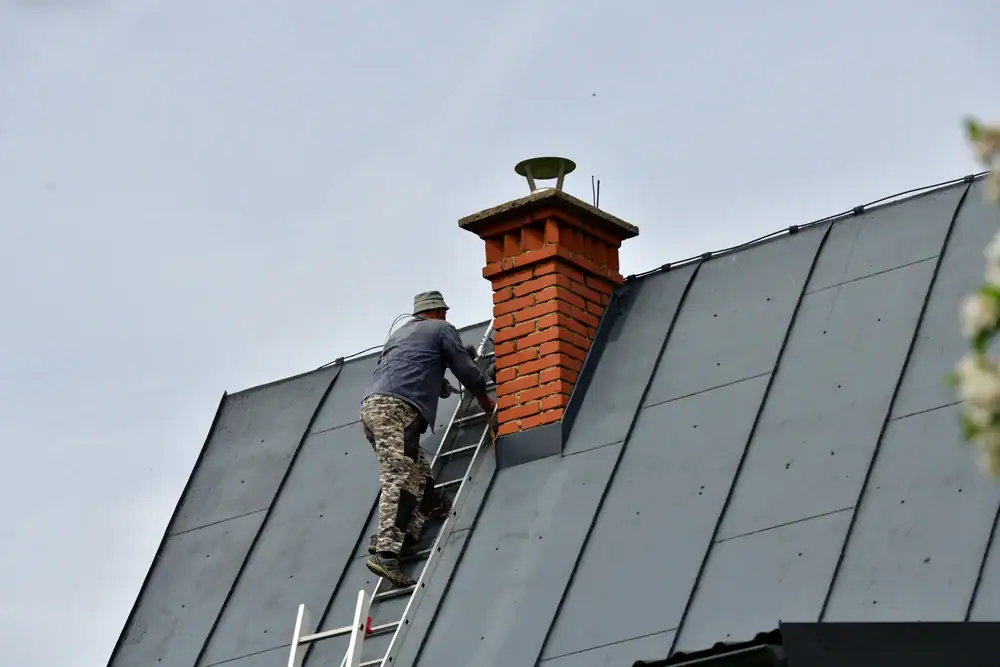
Professional chimney waterproofing isn’t a DIY project. The application process requires specific expertise, proper materials, and precise timing to be effective.
The process starts with a thorough inspection and cleaning. Any existing damage must be repaired before waterproofing can be applied. This ensures the sealant bonds properly and provides maximum protection.
We use specialized equipment to apply the waterproofing evenly across all masonry surfaces. The application technique affects how well the sealant penetrates and bonds with your masonry. Weather conditions during application also matter—temperature and humidity must be within specific ranges for proper curing.
Choosing the Right Waterproofing Materials for Minnesota Weather
Not all waterproofing products are created equal, especially when it comes to Minnesota’s extreme weather conditions. The wrong product can actually trap moisture and cause more damage than no protection at all.
Water-based waterproofing products work well in moderate climates but may not provide adequate protection for Minnesota’s temperature extremes. These products can freeze during application or fail to cure properly in cold conditions.
Siloxane-based waterproofing products offer superior performance in harsh climates. These products penetrate deeper into masonry and maintain their effectiveness through extreme temperature swings. They’re also environmentally safe and don’t contain harmful VOCs.
The key is choosing a product specifically designed for your masonry type and climate conditions. Brick, stone, and concrete each have different porosity levels and require different formulations for optimal protection.
We understand these material differences and select products accordingly. We also know proper application techniques for each product type, ensuring maximum penetration and bonding.
Quality waterproofing products come with warranties that can last 10-15 years when properly applied. However, these warranties typically require professional application and may be void if homeowners attempt DIY installation.
Signs Your Chimney Needs Immediate Waterproofing Protection
Certain warning signs indicate your chimney needs waterproofing protection right away. Waiting too long after these signs appear can result in extensive damage that’s far more expensive to repair.
White staining on your chimney exterior, called efflorescence, occurs when water carries salt deposits through your masonry. This visible sign means water is already penetrating your chimney and will cause freeze-thaw damage during winter months.
Spalling bricks—where the face of the brick flakes or breaks off—indicates advanced freeze-thaw damage. If you see brick debris around your chimney base, the damage is already progressing and will accelerate without immediate protection.
Water stains on interior walls or ceilings near your chimney mean water has penetrated completely through your masonry system. This level of water intrusion requires immediate attention to prevent structural damage and mold problems.
Rusty dampers or fireplace components indicate ongoing moisture exposure. Metal components rust when exposed to consistent moisture, which means your masonry isn’t providing adequate protection.
Musty odors coming from your fireplace, especially during humid weather, often indicate moisture problems within your chimney system. These odors can worsen over time and indicate conditions that promote mold growth.
If you notice any of these signs, schedule a professional inspection immediately. Early intervention can prevent minor problems from becoming major expenses. Most importantly, don’t wait for winter weather to address these issues—freeze-thaw damage happens quickly once temperatures start dropping.
Protect Your Twin Cities Home with Professional Chimney Waterproofing
Minnesota’s harsh climate doesn’t give your chimney a break. Every freeze-thaw cycle without proper protection moves you closer to expensive repairs and potential safety hazards.
Professional waterproofing creates a barrier that stops water before it can cause damage. The investment pays for itself by preventing thousands in repair costs and extending your chimney’s lifespan significantly.
Don’t wait until you see damage signs to take action. Proactive waterproofing protects your home investment and gives you peace of mind through every Minnesota winter. When you’re ready to protect your chimney properly, contact Suburban Chimney Solutions for expert waterproofing services that deliver lasting results.