Summary:
Why Annual Chimney Inspections Are Critical in Minnesota
Minnesota’s harsh climate creates unique challenges for chimney systems that most other states simply don’t face. Our long, brutal winters mean you’re likely using your fireplace far more than homeowners in milder climates. That heavy use accelerates wear and creates conditions perfect for dangerous buildup.
The Chimney Safety Institute of America doesn’t just suggest annual inspections for Minnesota homeowners—they specifically recommend them because of our climate and usage patterns. When you’re burning fires regularly from October through April, your chimney system is working overtime.
The Hidden Dangers of Creosote Buildup in Twin Cities Homes
Creosote is the dark, tar-like substance that forms inside your chimney when wood burns. It starts as vapor, then condenses and hardens on your chimney walls as it cools. What makes this particularly dangerous is that it’s completely hidden from view—you can’t see it building up until it’s already a serious problem.
This isn’t just unsightly residue. Creosote is highly flammable and can ignite at temperatures as low as 451 degrees Fahrenheit. Given that chimney temperatures easily exceed this during normal operation, you’re essentially storing kindling inside your chimney system. Even worse, creosote fires burn extremely hot—up to 2,000 degrees—hot enough to crack masonry, warp metal liners, and spread to your home’s structure.
But the fire risk is just one concern. As creosote builds up, it restricts airflow in your chimney. When smoke and gases can’t properly exit, they have nowhere to go but back into your living space. That includes carbon monoxide, the colorless, odorless gas that can cause headaches, dizziness, nausea, and in severe cases, death. Minnesota law requires carbon monoxide detectors in every home for good reason—blocked chimneys are one of the leading causes of dangerous CO buildup.
The amount of creosote your chimney produces depends on several factors, but Minnesota homeowners face some of the worst conditions. Cold outdoor temperatures mean your chimney cools quickly, encouraging condensation. Frequent use during our long heating season means more opportunities for buildup. And many homeowners, trying to stretch their heating budget, burn fires at lower temperatures or use less-than-ideal wood—both of which create more creosote.
How Minnesota Weather Damages Chimney Systems
Creosote is the dark, tar-like substance that forms inside your chimney when wood burns. It starts as vapor, then condenses and hardens on your chimney walls as it cools. What makes this particularly dangerous is that it’s completely hidden from view—you can’t see it building up until it’s already a serious problem.
This isn’t just unsightly residue. Creosote is highly flammable and can ignite at temperatures as low as 451 degrees Fahrenheit. Given that chimney temperatures easily exceed this during normal operation, you’re essentially storing kindling inside your chimney system. Even worse, creosote fires burn extremely hot—up to 2,000 degrees—hot enough to crack masonry, warp metal liners, and spread to your home’s structure.
But the fire risk is just one concern. As creosote builds up, it restricts airflow in your chimney. When smoke and gases can’t properly exit, they have nowhere to go but back into your living space. That includes carbon monoxide, the colorless, odorless gas that can cause headaches, dizziness, nausea, and in severe cases, death. Minnesota law requires carbon monoxide detectors in every home for good reason—blocked chimneys are one of the leading causes of dangerous CO buildup.
The amount of creosote your chimney produces depends on several factors, but Minnesota homeowners face some of the worst conditions. Cold outdoor temperatures mean your chimney cools quickly, encouraging condensation. Frequent use during our long heating season means more opportunities for buildup. And many homeowners, trying to stretch their heating budget, burn fires at lower temperatures or use less-than-ideal wood—both of which create more creosote.
What Professional Chimney Inspections Actually Cover
Professional chimney inspections in Minnesota follow National Fire Protection Association standards, which recognize three levels of inspection based on your chimney’s condition and recent history. Most homeowners need a Level 1 or Level 2 inspection annually, but understanding the differences helps you know what to expect.
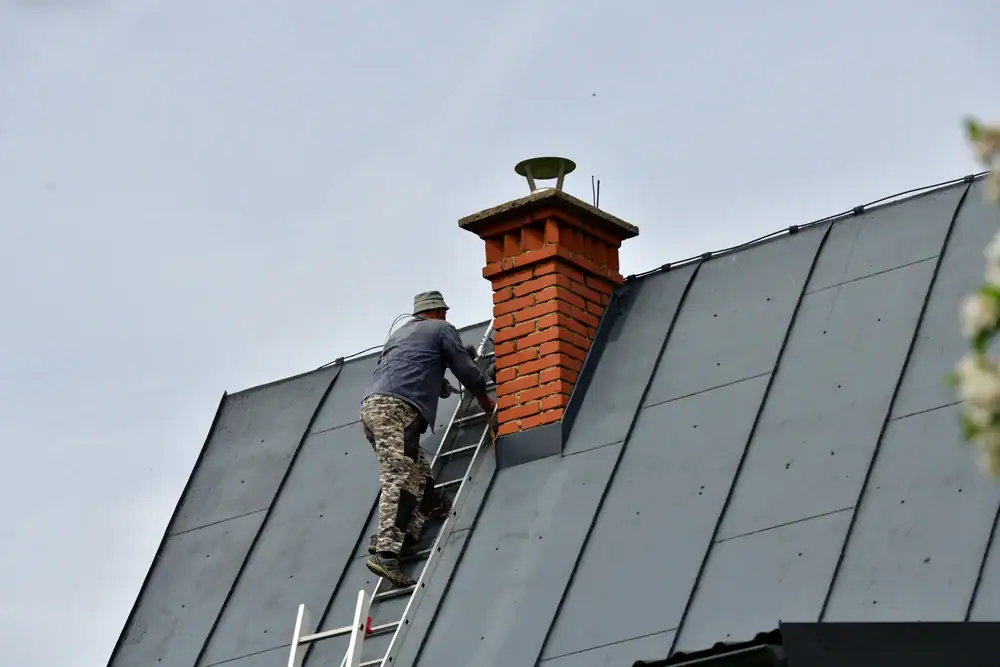
The inspection process goes far beyond just looking up your chimney with a flashlight. We examine your entire chimney system, from the firebox where combustion occurs all the way up to the chimney cap and surrounding roofline. We’re looking for structural issues, safety hazards, and performance problems that could affect your family’s safety.
Level 1 vs Level 2 Inspections: What Twin Cities Homeowners Need
A Level 1 inspection is the basic annual inspection most Twin Cities homeowners need. This visual inspection covers all accessible portions of your chimney system, checking for obvious problems like damaged masonry, rust stains, or water damage. We examine your firebox, damper, smoke chamber, and the exterior of your chimney. We’ll also check that your chimney is free from obstructions and excessive creosote buildup.
However, we often recommend Level 2 inspections because they provide much more comprehensive information. Level 2 inspections include everything in a Level 1 inspection, plus video scanning of your flue interior. This camera inspection reveals problems that aren’t visible during a basic visual inspection—cracked flue tiles, missing mortar joints, or structural issues inside your chimney.
Level 2 inspections are required in specific situations: when you’re buying or selling a home, after a chimney fire, following severe weather damage, or when you’ve made changes to your heating system. But even if these situations don’t apply to you, the additional information from a Level 2 inspection often identifies minor problems before they become expensive repairs.
The video component of a Level 2 inspection is particularly valuable for Twin Cities homeowners because it documents your chimney’s condition. If you need to file an insurance claim for weather damage or other covered events, having professional documentation of your chimney’s condition can be invaluable. Many homeowners are surprised by what the camera reveals—problems they had no idea existed, often in chimneys that appeared fine from the outside.
What Happens When Inspections Reveal Problems
Finding problems during an inspection isn’t necessarily bad news—it’s exactly why you have the inspection done. Catching issues early almost always means simpler, less expensive repairs than waiting until something fails completely. We prioritize problems based on safety risk, helping you understand what needs immediate attention versus what can be monitored or scheduled for future repair.
Safety issues get top priority. If an inspection reveals active structural damage, significant creosote buildup, or problems that could allow carbon monoxide into your home, these need immediate attention before you use your fireplace again. We clearly explain these issues and provide documentation of what we found, often including photos or video from the inspection.
Performance issues come next. These might include minor masonry repairs, chimney cap replacement, or addressing draft problems that affect how well your fireplace operates. While not immediately dangerous, these issues typically worsen over time and become more expensive to repair if left unaddressed.
Preventive maintenance recommendations round out most inspection reports. This might include suggestions for improving your burning practices, recommendations for chimney cap upgrades, or scheduling for routine cleaning services. We understand that Minnesota homeowners rely heavily on their fireplaces and will work with you to develop a maintenance plan that keeps your system safe and functional throughout our long heating season.
The key is working with certified professionals who follow established safety standards. At Suburban Chimney Solutions, we’re certified by the Chimney Safety Institute of America (CSIA) and adhere to National Fire Protection Association guidelines. These certifications ensure your inspection meets professional standards and that any problems identified are accurately assessed and properly prioritized.
Protecting Your Twin Cities Home Through Professional Chimney Care
Annual chimney inspections aren’t just another item on your home maintenance checklist—they’re essential protection for your family and property. Minnesota’s harsh winters and heavy fireplace use create conditions that make regular professional inspection critical for safety and performance.
The peace of mind that comes from knowing your chimney system is safe and functional is invaluable, especially when you’re relying on it throughout our long heating season. Professional inspections catch problems before they become dangerous, save money by identifying issues while they’re still minor, and ensure your family stays safe from fire and carbon monoxide risks.
Don’t wait until you notice problems to have your chimney inspected. By then, minor issues may have become major safety hazards or expensive repairs. At Suburban Chimney Solutions, we provide comprehensive chimney inspection services that meet Minnesota’s unique challenges. Contact us to schedule your annual inspection and keep your home safe all winter long.