Summary:
Understanding When Chimney Rebuilding Becomes Necessary
Not every chimney problem requires a complete rebuild. Tuckpointing works by removing old, deteriorating mortar and replacing it with new mortar, making your chimney look newer while maintaining structural soundness. But there’s a line between repair and rebuild.
Some warning signs point to deeper structural problems—meaning a rebuild is probably necessary. Signs of major chimney damage like severe water intrusion, missing structural elements, or leaning masonry require a full rebuild. The key is recognizing when you’ve crossed that line.
Older homes typically have structural issues to fix which can require chimney reconstruction. The amount of work might shock you to bring a chimney from old to new. But understanding this upfront prevents the frustration of repeated repairs that never truly solve the problem.
How Minnesota's Climate Damages Older Chimneys
When water freezes while inside a brick, it increases in volume by 9% and exerts pressure on the brick from the inside out. This isn’t just a minor inconvenience—it’s a destructive force that compounds over time.
Minnesota winter temperatures are famous for freeze-thaw activity. When water seeps into cracks in your masonry and freezes, it expands. As ice crystals expand, tiny cracks develop in the brickwork. When temperatures rise above freezing, moisture absorbed by porous brick material freezes again, further expanding the cracks.
The process is relentless. The effects may be hardly noticeable in one season, but repeated effects season after season take a heavy toll on the masonry. What starts as hairline cracks becomes spalling bricks, then missing mortar joints, and eventually structural instability.
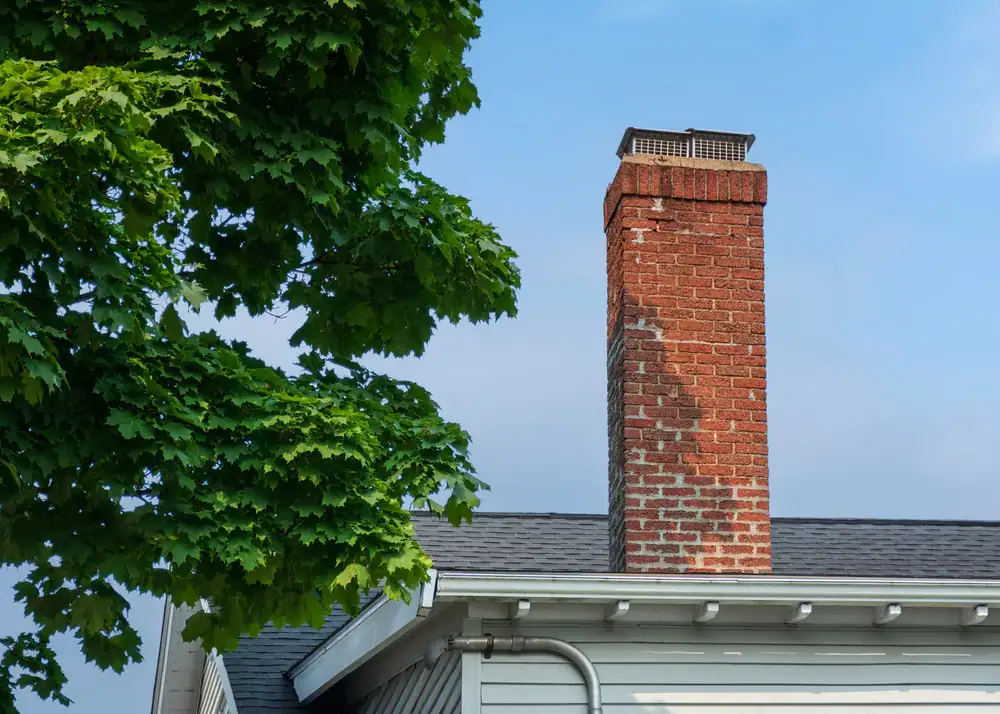
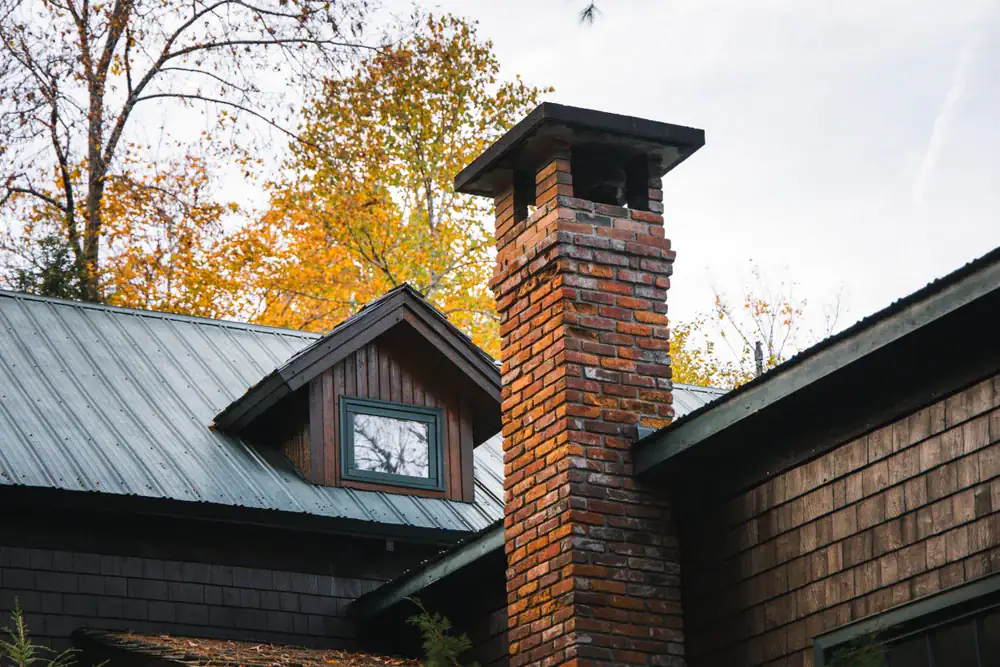
Over time, freeze-thaw effects cause bricks to crack or spall. As the problem progresses, chipped bricks lead to entire pieces falling to the ground, while eroding mortar leaves gaps in joints. For older homes with decades of exposure, this damage often reaches the point where rebuilding becomes the only viable solution.
Your chimney wasn’t designed to handle this level of punishment indefinitely. Brick and stone can last for centuries, but the mortar holding these units together begins to crumble and weaken over time. Minnesota’s extreme weather puts extra strain on chimney masonry.
Warning Signs That Indicate Rebuilding Over Repair
Knowing when to stop throwing money at repairs and invest in a proper rebuild saves you thousands in the long run. Look around you and notice leaning, crumbling, flaking, white staining—these are all signs of water damage.
Water intrusion is your biggest red flag. If you see water stains on interior walls or ceilings near the chimney, it’s almost certain that water has infiltrated your chimney masonry system. Schedule chimney masonry repair as soon as possible. But if this has been ongoing, you’re likely past the repair stage.
Structural issues demand immediate attention. Spalling bricks and absence of mortar can cause entire pieces of brick to dislodge from the chimney, compromising structural integrity. Without intervention, the stack is in danger of partial or total collapse.
The destructive process caused by freeze-thaw cycles is evident when spalling occurs. The brick face of damaged masonry flakes and breaks off. Bits of masonry debris around your chimney or on the ground are signs of spalling. If you’re finding brick pieces in your yard regularly, you’ve moved beyond simple repairs.
Interior damage tells the whole story. Water damage creates potential for leaks in the chimney. Exterior water damage is bad enough, but interior water intrusion is very damaging and can quickly accelerate deterioration. When you see interior damage, the problem has progressed far beyond what surface repairs can address.
The flue system itself may be compromised. Water can soften interior masonry causing cracks in clay tile flue liners. When the flue liner is compromised, it increases the risk of fire and carbon monoxide exposure while severely reducing heating efficiency.
The Complete Chimney Rebuilding Process
A proper chimney rebuild isn’t just tearing down and building back up—it’s a systematic process that addresses every component for long-term performance. High-quality materials ensure your chimney rebuild is structurally sound and built to withstand time, with meticulous attention to detail and precision execution.
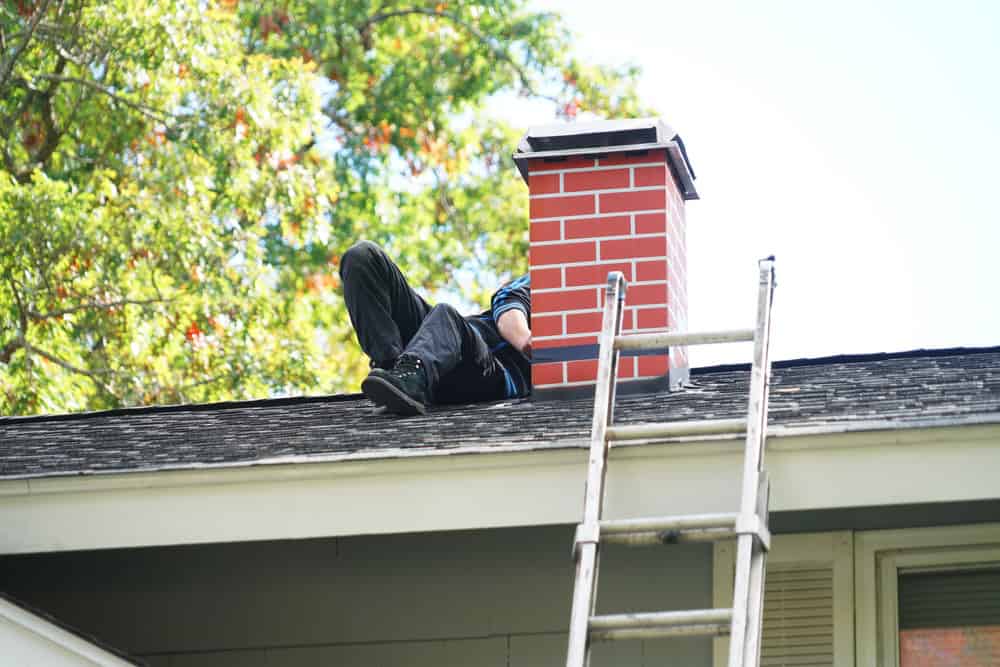
Professional assessment comes first. Our inspection includes the roof, flashing, mortar joints, crown, and attic side for moisture trails. You’ll get photos, a simple plan comparing repair versus rebuild, and a written estimate. This documentation helps you understand exactly what you’re dealing with.
Complete rebuilding involves total tear-down of the existing chimney and rebuilding a new one in its place. We work to ensure your new chimney is not only aesthetically beautiful but functions properly and efficiently. This comprehensive approach addresses every potential failure point.
Step-by-Step Rebuilding Process
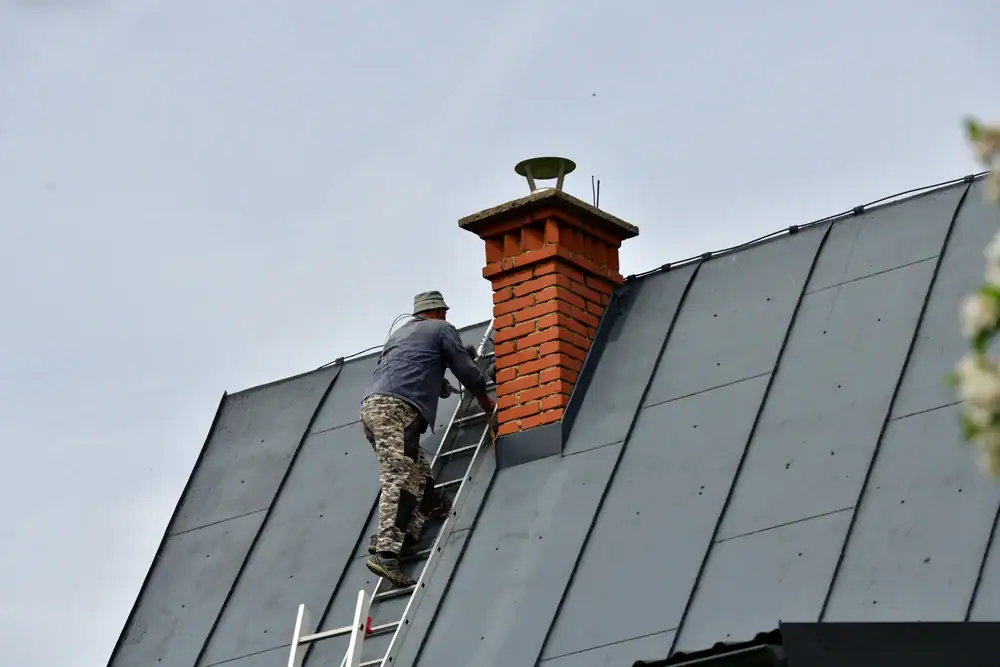
The rebuild process follows a methodical approach that protects your property while ensuring quality results. Roof protection is key. First by installing painter tarps to ensure shingles have less wear during construction. Second, fastening tarps to chimney flashing prevents mortar drainage from getting behind tarps and staining shingles.
Property protection extends beyond the roof. We take steps to avoid damage to your property, covering decking, grills, flowers and bushes to avoid possible falling debris. We understand that your home needs protection throughout the process.
The actual reconstruction follows precise standards. The process starts by meticulously removing damaged mortar between bricks. We then apply new, commercial-grade mortar to strengthen and beautify joints, ensuring durability and visual appeal.
Our full-range chimney services include complete rebuilds, rebuilding from the roof up, chimney liner replacement, tuckpointing, and minor repairs. The little things make a big difference, like using comprehensive guides to match mortar colors to existing mortar. This attention to detail ensures your rebuilt chimney integrates seamlessly with your home’s aesthetic.
Flashing integration is critical. We inspect flashing around your chimney to ensure code compliance. If not compliant, we strip down all remnants of old flashing to roofing underlayment and do a proper build-back with a complete, three-part system guaranteed not to leak.
Modern safety features get incorporated throughout. We use fire-resistant refractory mortar when installing clay tile flue liners and isolate chimney flues from the cap so they have room to expand without creating cracks that could lead to chimney fires.
Quality Materials and Craftsmanship Standards
The materials used in your rebuild determine how well it withstands Minnesota’s climate for decades to come. High-quality materials ensure your chimney rebuild is structurally sound and built to withstand the test of time, giving you peace of mind and a safe, reliable chimney with meticulous attention to detail.
Professional standards matter more than you might realize. Our certifications include Master Cement Finisher & Master of Masonry, plus two certifications from the Ahrens School of Masonry Restoration and Chimney repair, and certification by The Chimney Safety Institute of America. These aren’t just credentials—they represent knowledge of proper techniques that ensure longevity.
The crown and cap components require particular expertise. We put a drip ledge on your chimney cap so water doesn’t run straight down the side—this seems minor but prevents major water damage over time. The chimney crown is a large concrete slab placed on top of the structure to protect the chimney. It should be free from cracks or crumbling, and crown repair is a large part of work due to harsh Twin Cities weather conditions.
Historic preservation requires specialized knowledge. Restoration often requires specialized techniques like historically accurate mortar mixes and brick-laying methods. When restoring historical chimneys, it’s essential to work with professionals experienced in this area to ensure restoration complies with local building codes and historical preservation guidelines while maintaining authentic appearance.
Quality control extends to cleanup and final details. We take pride in the cleanup process, using air blowers to remove dust and debris from floating particles, washing down driveways or shingles, and raking grass that may have been flattened during construction. We understand that the job isn’t finished until your property is restored to its original condition.
Long-Term Benefits of Professional Chimney Rebuilding
Chimney repair and restoration are essential for maintaining safety, efficiency, and longevity of your home’s chimney. Understanding common issues, preventative maintenance, and repair methods helps you make informed decisions. Regular inspections, cleaning, and waterproofing prevent many problems, while prompt repairs address issues before they become serious and costly.
The investment pays dividends beyond just safety. By investing in chimney rebuilding now, you’re eliminating future headaches for potential buyers. This signals that the home has been well-maintained, making it more attractive and valuable. When buyers see a newly rebuilt chimney, it conveys care and attention to detail, instilling confidence in the overall property condition and willingness to offer higher prices.
For your peace of mind and your family’s safety, professional chimney rebuilding transforms a liability into an asset. When you’re ready to move beyond repeated repairs and invest in a permanent solution, we bring the expertise and craftsmanship your older home deserves.