Summary:
A fireplace is easy to forget until something goes wrong. Creosote builds up with every fire, cracks open a little wider every winter, and animals find their way into uncapped flues, all out of sight. A yearly chimney inspection is how you find those problems while they are still small.
This guide covers what an annual inspection checks, why once a year is the standard, how cleaning fits in, and what happens when an inspection turns something up.
Why skipping a chimney inspection is a risk
Every wood fire leaves creosote on the inside of the flue. It is flammable, it builds in layers, and you cannot see it from the fireplace. From 2017 to 2019, 77% of heating fires in residential buildings were confined to chimneys, flues or fuel burners, according to the U.S. Fire Administration. An inspection catches heavy buildup before it becomes a fire risk.
Fire is not the only reason. Inspections also find blocked flues, cracked liners and crumbling mortar: problems that affect how well the fireplace drafts and whether smoke and carbon monoxide leave the house the way they should.
What an annual chimney inspection checks
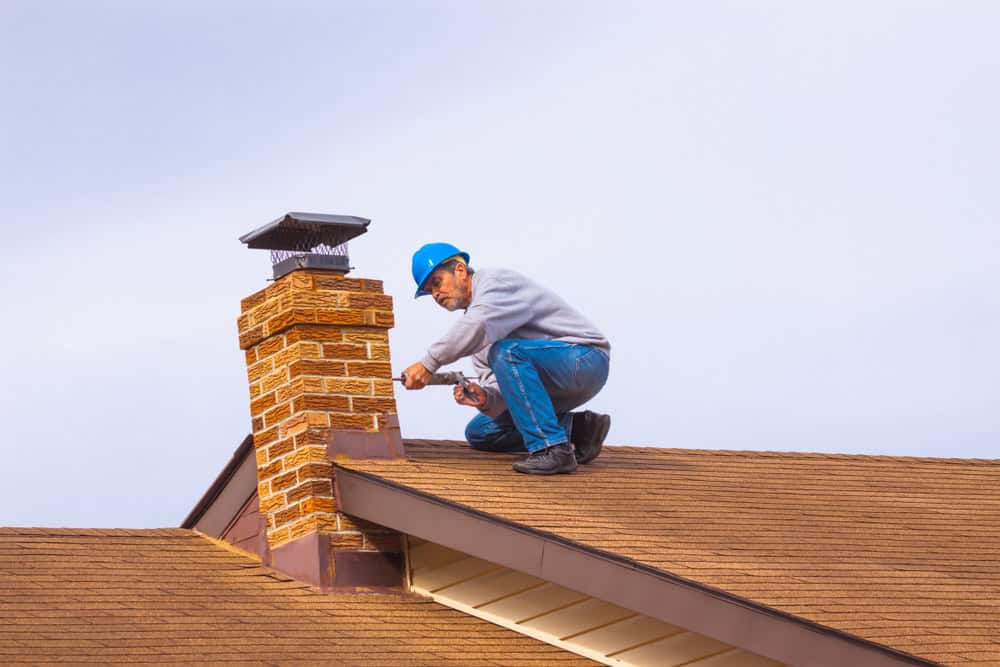
A standard annual inspection, called a Level 1 under NFPA 211, covers everything that can be reached without special tools:
- The flue: creosote and soot buildup, and blockages such as nests or debris.
- The firebox and damper: cracks, gaps, and whether the damper opens and closes properly.
- The liner, where it can be seen: cracked or missing tiles and signs of heat damage.
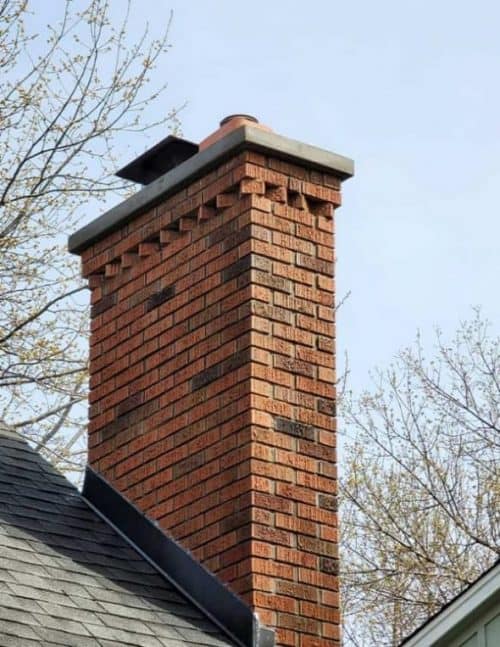
- The outside of the chimney: the crown, the cap, the flashing, and the brick and mortar for water damage.
- Clearances: that nothing combustible sits too close to the chimney.
A clean, sound chimney also simply works better. Smoke goes up and out, the house smells less of smoke, and less soot ends up on walls and furniture.
Why once a year is the smart approach
NFPA 211 calls for chimneys, fireplaces and vents to be inspected at least once a year for soundness, freedom from deposits and correct clearances, and cleaned when needed. Once a year works for two reasons. Creosote builds up over a burning season whether you use the fireplace often or rarely. And in Minnesota, each winter’s freeze-thaw cycles can turn last year’s small crack into this year’s water damage.
The best time is before the burning season, so any repairs are finished before the first cold snap. Some situations call for more than the annual check, such as buying a home or recovering from a chimney fire or storm damage. Here is how Level 1 vs. Level 2 inspections differ.
How chimney cleaning fits into the picture
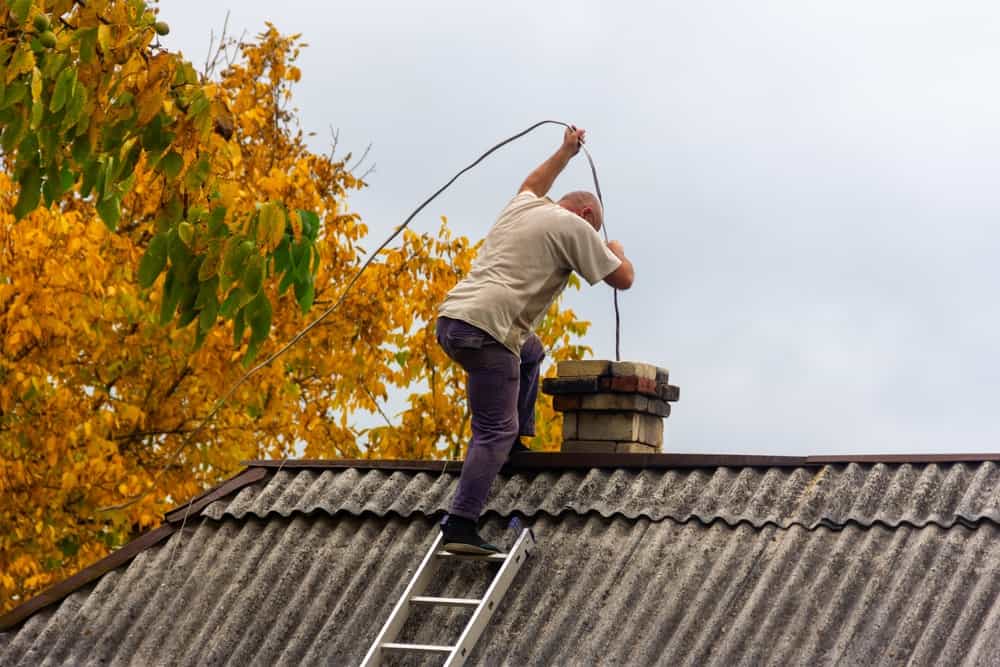
An inspection tells you the condition of the chimney; a sweep cleans it. Sweeping removes creosote and soot from the flue, which lowers fire risk and helps the fireplace draft properly. NFPA 211 calls for cleaning when an inspection shows it is needed, so the two usually happen in the same visit.
At Suburban Chimney Solutions, the chimney sweep and inspection go together: the sweep and cleaning are free with an annual chimney inspection, and new customers get $25 off. Our inspections and sweeps are for wood-burning fireplaces.
Whoever you hire, ask who will do the inspection and what training they hold. Certification from the Chimney Safety Institute of America (CSIA) is the best-known credential. Ask, too, whether you will get notes or photos of anything that needs attention, so you can get a second opinion before agreeing to repairs.
Common questions about annual chimney inspections
Do I need an inspection if I rarely use my fireplace?
Yes. Animals nest in unused chimneys, and water damage from rain and freeze-thaw cycles happens whether or not you light a fire. NFPA 211’s once-a-year standard does not depend on how often you burn.
What is the best time of year for a chimney inspection?
Before the burning season, in late summer or early fall. That leaves time to finish any repairs before you need the fireplace.
How can I tell if my chimney needs cleaning?
Common signs are a strong campfire smell when the fireplace is not in use, black flakes falling into the firebox, smoke drifting into the room, or a fire that is hard to keep drawing. Any of these is a reason to book an inspection and sweep.
What happens if the inspection finds a problem?
You should get a clear explanation of what was found, what needs fixing now and what can wait. Not every crack needs repair this year, and knowing the difference is part of what an inspection is for.
Chimney inspections in St. Paul, Minneapolis and the suburbs
We inspect and sweep wood-burning chimneys across the Twin Cities, from St. Paul and Minneapolis to the Dakota, Ramsey, Hennepin, Washington and Scott County suburbs. Minnesota winters are hard on chimneys: ice, freeze-thaw cycles and heavy use in cold months all add wear, which is why a yearly check matters more here than in milder climates.
For city details, see our pages on chimney inspections in St. Paul and Minneapolis chimney inspections.
Book your annual chimney inspection
An annual inspection is the simplest way to keep a fireplace safe and catch small problems before they grow. If an inspection does turn something up, here is what repairs cost after an inspection, so you know what to expect.
Suburban Chimney Solutions is a family-owned, licensed and insured chimney company in Eagan, rated 5.0 stars on Google. Call today to schedule your next inspection at 651-399-2759.